End of net metering doubles Dutch home battery sales
Net metering ends in seven weeks, for small businesses with solar panels too. Home battery sales have more than doubled in nine months, according to Sunergy Research.
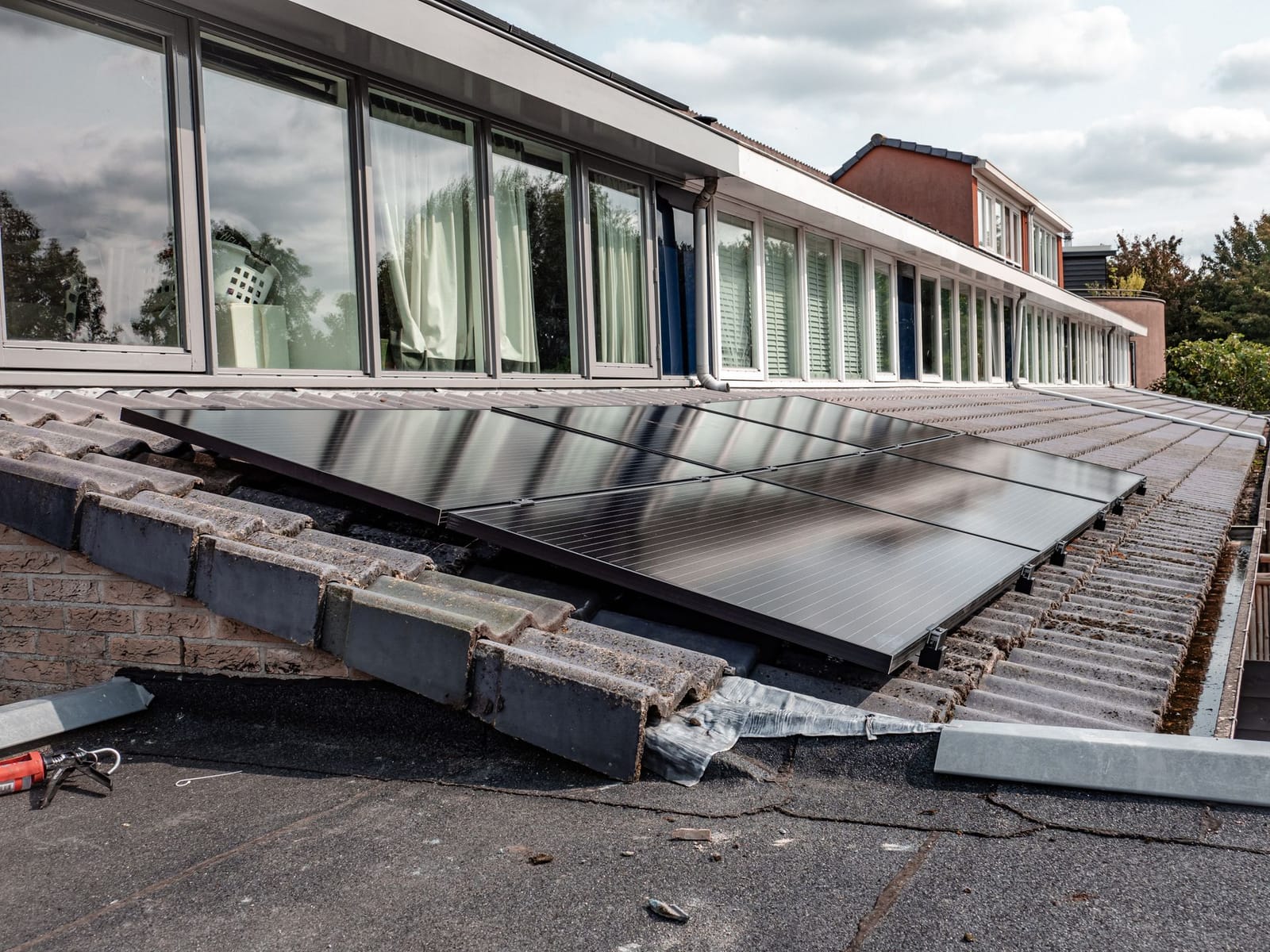
The end of net metering on 1 January 2027 is driving up home battery sales in the Netherlands. According to Sunergy Research, an energy company serving solar panel owners, sales of residential batteries have more than doubled in nine months, trade outlet ESS News reported on 9 November.
The scheme (salderingsregeling) is not only for households. According to the Dutch government, small businesses can also offset the solar power they feed into the grid against their consumption until 31 December 2026, without paying energy tax on that part. Shops, practices and workshops with a small-user connection and solar panels face the same change.
What the end of net metering changes
Once you can no longer offset solar power, the value lies in what you use yourself.
From 1 January you can still export the power you generate, but you can no longer offset it. Your energy supplier pays a feed-in fee that must be at least 50% of the bare supply rate, the electricity price before taxes, until 2030. Suppliers may charge feed-in costs, but only for the cost of handling that power. The ACM (the Dutch competition and consumer authority) supervises this.
Power you generate and use directly remains free of tax and supplier charges, which makes self-consumption more important. An average household now uses 30% of its own solar power, says Sunergy CEO Rolf Heynen; with a battery that can rise to around 70%.
Growth spans every category. Installations of small batteries up to 5 kWh were more than four times higher in September than in January, while systems of 5 to 15 kWh nearly tripled. Plug-in batteries more than doubled in nine months and are now the largest category.
Costs, payback and the grid
A plug-in battery of around 5 kWh costs from roughly €1,000, and a permanently installed system from about €4,000, according to Sunergy's selection guide. It cites payback periods of 2 to 15 years and annual savings of about €200 to €1,000 for fixed systems, and warns that oversized batteries hurt returns.
Grid congestion also matters for businesses. In February, more than 14,000 companies and institutions were on regional grid operators' waiting lists, according to a parliamentary letter cited by pv magazine. Commercial solar sales in the first half of the year were around 843 megawatts, against 1,515 megawatts in all of 2025, according to preliminary figures from Dutch New Energy Research. The cabinet, meanwhile, is aiming for 110 GWh of battery storage by 2040.
For business owners with solar panels, the coming weeks are the time to compare the feed-in fee and feed-in costs in their 2027 contract.