How to finance a business acquisition in the Netherlands
You rarely buy a Dutch company with a single loan. How to combine your own money, bank debt, microcredit and seller finance, and how the BMKB guarantee works in a takeover.
To finance a business acquisition in the Netherlands you almost always combine your own money, a business loan and money from the seller, known in Dutch as stapelfinanciering (stacked financing). It applies to anyone buying a small or medium-sized company and requires a well-supported price, a financial plan and a lender involved from the start.
According to KVK (the Dutch Chamber of Commerce), buyers rarely rely on one source of money. Options include a bank loan, microcredit, investors, crowdfunding, family money and seller finance. KVK advises using an independent adviser and never relying only on the seller's adviser.
The topic matters now for two reasons. The expanded Borgstelling MKB-kredieten (BMKB), the SME credit guarantee run by RVO (the Netherlands Enterprise Agency), with a ceiling of €1.5 million instead of €1 million, runs until 1 July 2027. And since 1 January 2026 the Dutch business succession relief (BOR) and rollover relief (DSR) apply only to ordinary shares and a stake of at least 5%, KVK reports.
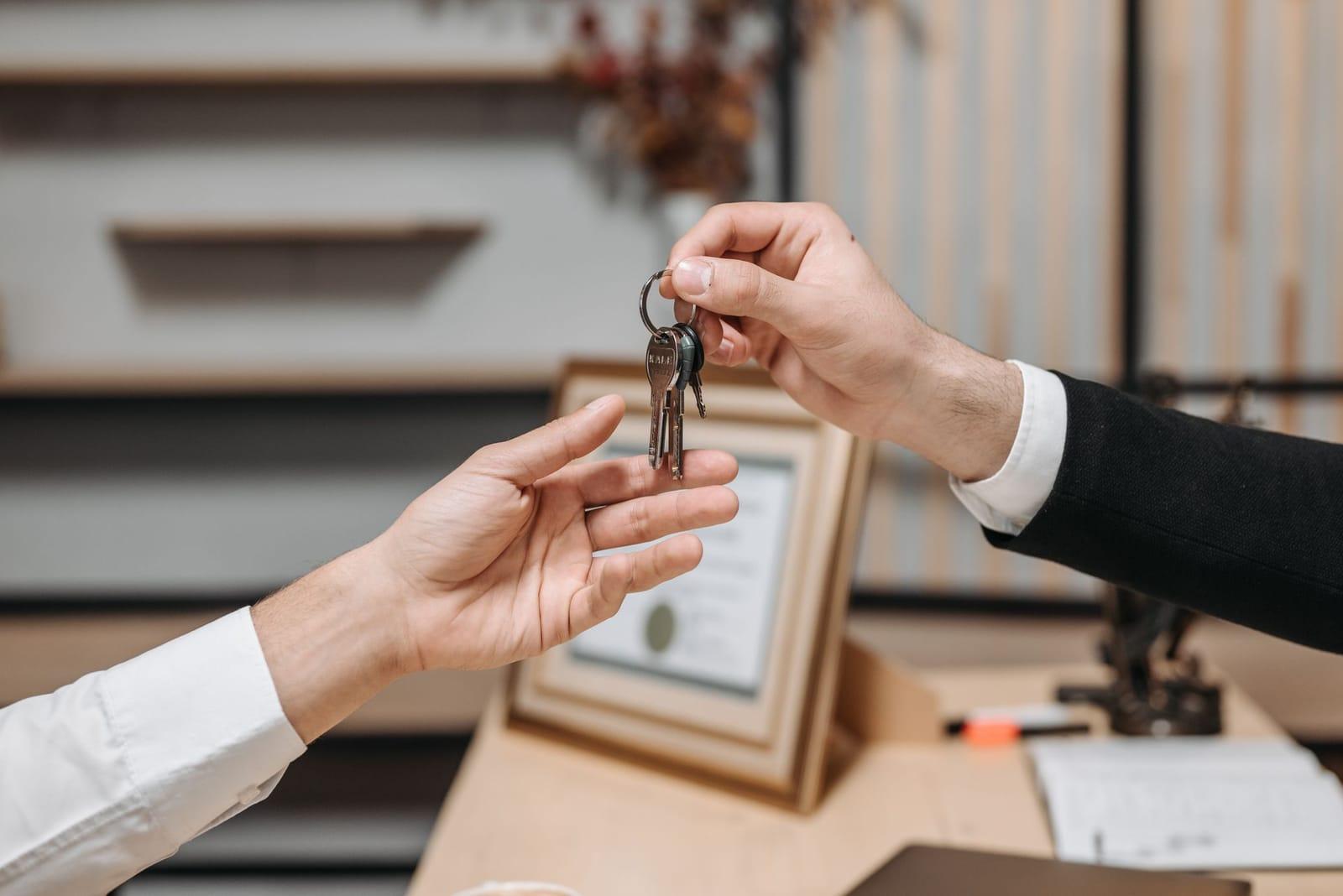
When the seller helps finance the deal, you buy a company and the bank's confidence.
How to finance a business acquisition: what you need
- A buyer profile: sector, region, size and budget.
- The seller's information memorandum: history, legal form, finances, staff and reason for sale.
- Annual accounts for at least three years, plus an overview of assets, debts, current contracts and lease obligations.
- A business plan and a financial plan showing how you will pay interest and repayments.
- Your own contribution: savings or assets you invest in the acquisition.
- A letter of intent followed by a purchase agreement, ideally drafted or reviewed by a lawyer.
Step-by-step plan
- List your total capital need. Add advisory fees, stock, working capital and post-completion investment to the price.
- Have the asking price tested. A valuation expert weighs financial data, expectations and goodwill. According to KVK, the seller's personal goodwill usually does not count.
- Carry out due diligence. As a buyer you have a duty to investigate. Have an accountant or tax adviser check figures, contracts and staff costs.
- Decide on your own contribution. Under the BMKB the entrepreneur must contribute according to their means, and in a bv (private limited company) the majority shareholder must guarantee at least 25% of the BMKB loan.
- Agree terms with the seller. Discuss a subordinated loan, a profit share or an earn-out, and record interest, term and order of repayment in the letter of intent.
- Apply for the loan, with BMKB if needed. Submit your plan to a bank or other lender. You do not apply for the BMKB yourself: the lender does so together with your credit application.
- Put everything in the purchase agreement. Include price, warranties, payment dates and what you take over, aligned with your loan terms.
- Update the KVK registration. You and the seller fill in forms and book an appointment at a KVK office. If you take over an eenmanszaak (sole proprietorship) or vof (general partnership), the business gets a new KVK number.
Seller finance: four structures
KVK describes four ways a seller can help fund the deal. With a subordinated loan the seller leaves money in the business. Because it is repaid only after other loans in a bankruptcy, it often counts as equity. With a profit share the seller receives an agreed percentage of profit for several years, lowering the upfront price.
With an earn-out you pay part of the price only once agreed targets, such as profit or revenue, are met. KVK says this is especially useful when much of the price is goodwill, which is hard to finance. With hire purchase you first rent the business and become the owner after the final instalment.
KVK gives a worked example: a wholesaler bought for €500,000, with the buyer paying a quarter from own funds, the bank financing half and the seller lending €125,000 on a subordinated basis, repaid after the bank loan. For smaller deals KVK points to microcredit: a business loan of up to €50,000 with a term of one to ten years, offered among others by Qredits.
BMKB when you lack collateral
If you do not have enough collateral, your lender can use the BMKB. According to RVO, the government guarantees 90% of the BMKB loan. For a credit need of up to €333,333, three quarters can be financed with BMKB credit; above that, at most half. The scheme is for businesses with up to 250 FTE and annual revenue of up to €50 million or a balance sheet total of up to €43 million.
If you want to finance a business acquisition by buying shares, one condition matters: share financing only qualifies for the BMKB as part of a business transfer, according to RVO's summary of the conditions. The lender pays RVO a one-off guarantee fee of 3.90% to 5.85% of the guaranteed loan, depending on the term, and passes it on to you. Property exploitation, agriculture and financial services are excluded. Our guide to applying for BMKB explains the process.
Costs and tax in a takeover
If you take over the business or an independent part of it and continue it, the Belastingdienst (the Dutch tax authority) treats this as a transfer of a going concern (overgang van een algemeenheid van goederen) and no VAT is charged. If you buy one or a few separate business assets, VAT is due. In such a transfer you also take over the previous owner's VAT rights and obligations. If you buy shares, the legal entity does not change.
If business premises are included, you pay 10.4% property transfer tax in 2026, the rate for non-residential property. Add advisers, the notary and the BMKB fee, and put everything into a cash flow forecast to see whether the business can carry interest and repayments.
Common mistakes
KVK names two mistakes explicitly: relying only on the seller's adviser, and bringing in the lender only at the end. Involve lenders from the start to avoid surprises in the final phase.
Do not forget the staff: in a takeover you usually keep the employees, with their salaries and terms. See how that worked in a restart in our report on the Kayak takeover by Welten. Always put agreements with the seller in writing.
Frequently asked questions
How much of your own money do you need for an acquisition? There is no fixed percentage. The lender assesses your contribution; under the BMKB you must contribute according to your means. In KVK's worked example the buyer puts in a quarter of the price.
Can you apply for the BMKB yourself? No. The application goes through an accredited lender, such as a bank or Qredits, together with your credit application.
Do you pay VAT on the purchase price? Not if it is a transfer of a going concern and you continue the business. You do on separate business assets.
Where to go next
KVK offers a step-by-step plan for taking over a business, the FinancieringsGids (finance guide) and a helpline for finance questions (088 585 11 11). RVO publishes the BMKB conditions and the participating lenders. For VAT and transfer tax, the Belastingdienst is the authority to contact.
This guide on how to finance a business acquisition describes the general procedure. For your own situation, consult an accountant, tax adviser or accredited finance adviser.
Sources
- KVK — Bedrijf overnemen: waar begin je en waar moet je op letten? (stappenplan) ·
- KVK — Financiering vinden voor bedrijfsovername ·
- KVK — Microkrediet voor ondernemers: de lening tot 50.000 euro ·
- KVK — Nieuwe wetten en regels voor ondernemers vanaf 1 januari 2026 (BOR en DSR) ·
- RVO — Borgstelling MKB-kredieten (BMKB) ·
- RVO — BMKB voorwaarden ·
- RVO — Aanvraaginformatie BMKB (garantieprovisie) ·
- RVO — Overzicht BMKB-voorwaarden t/m 30-06-2027 (pdf) ·
- Belastingdienst — Onderneming wijzigen of beëindigen: hoe zit het met de btw? ·
- Belastingdienst — Het tarief van de overdrachtsbelasting ·