QT Sense wins Dutch Innovation Top 100 with cell sensor
The Groningen company measures oxidative stress in living cells. A jury selected QT Sense from one hundred companies in the 2026 ranking.

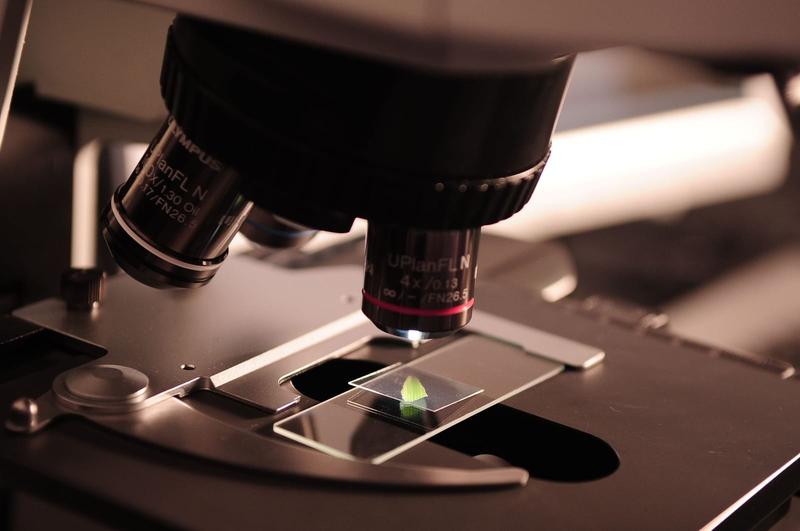
QT Sense, based in Groningen, has won the 2026 KVK Innovation Top 100. The company developed Quantum Nuova, a method for measuring oxidative stress in living cells, the Dutch Chamber of Commerce announced.
More than two hundred companies applied and one hundred reached the ranking. The final result was determined 80% by an expert jury and 20% by a public vote. QT Sense also won the Health & Care category.
Measuring without destroying the cell
An innovation award opens doors, but does not validate an entire market.
The technology focuses on free radicals and oxidative stress. The company says researchers can follow changes in living cells without first destroying them. This may be relevant to drug research and the study of disease mechanisms, but an innovation award is not proof that a method works in every laboratory or clinical application.
For other founders, the useful lesson is how specialist knowledge is connected to a clear problem. QT Sense explains not only the instrument but also what researchers may observe and where existing methods have limitations.
From recognition to a market
The most difficult work follows an award: production, quality assurance, sales and evidence from customers. A business developing similar technology should decide early which claims it can substantiate, which regulation applies and who will become the first paying user. Partnerships with research institutions can help, but they do not replace a viable business model.
The KVK list is a selection, not an independent guarantee of financial returns or medical effectiveness. Treat it as a starting point for due diligence. Our guide to setting up an employee pension covers another practical task that growing companies need to organise.
The win gives QT Sense visibility and access to a network. Wider adoption will depend on validation, scalability and laboratories' willingness to change their existing workflow.
For an innovation application, translate technical progress into a measurable customer outcome. Record which test was performed, who assessed the method and which uncertainties remain. This makes a pitch more credible and keeps marketing claims within the evidence currently available.