Dutch tax-free mileage allowance of €0.25 heads to a vote
A policy decree has allowed €0.25 per kilometre since May, backdated to 1 January. The Belastingplan 2027 tax bill now has to put the rate into law.
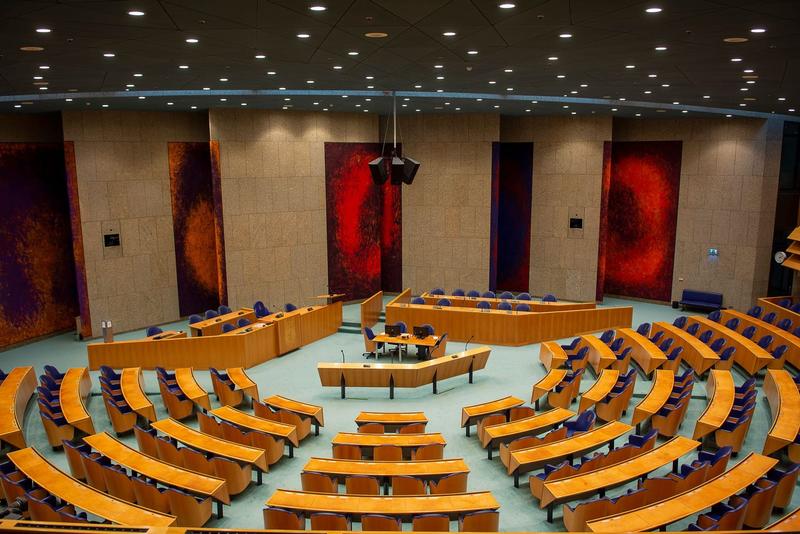
The Dutch tax-free mileage allowance for 2026 is up to €0.25 per kilometre, backdated to 1 January. The Tweede Kamer (the Dutch lower house) votes on 12 November on the Belastingplan 2027, the tax bill that writes this rate into law.
The rise from €0.23 to €0.25 rests on a policy decree issued by the state secretary for Finance on 17 May 2026 and published in the Staatscourant (the official government gazette) on 21 May. The decree is part of the package the cabinet announced on 20 April to soften the impact of the energy shock caused by the situation in the Middle East. According to the ministry, the extra €0.02 is worth about €0.30 per litre of fuel.
The decree expires on 1 January 2027. The legal basis therefore has to come from the Belastingplan 2027, which is still a bill: after the vote in the lower house, the Eerste Kamer (the Dutch senate) will debate it in December, the Dutch government says.
The tax ceiling rises, but what your staff receive is still a matter of agreement.
What the Dutch tax-free mileage allowance means for employers
The rate applies to every mode of transport: own car, bicycle, walking and public transport. For public transport, you can also reimburse the actual travel costs tax-free. If you pay more than €0.25 per kilometre, the excess counts as wages and you withhold payroll taxes on it.
The increase is not mandatory. What employees receive follows from the employment contract, staff regulations or collective agreement; a higher allowance requires an agreement with your staff.
Self-employed business owners also gain: under the same decree, anyone using a private car for business may deduct €0.25 per business kilometre instead of €0.23.
How to correct earlier payroll returns
The decree allows employers to file correction messages for payroll periods already passed in the current calendar year. Salaris Vanmorgen describes three routes. If you paid €0.23 or less, you can pay the extra €0.02 per kilometre tax-free with a later salary payment. If you treated the part above €0.23 as taxable wages, you reduce wages and withheld payroll taxes for each period. If you designated that part as final-levy wages under the werkkostenregeling (the Dutch work-related costs scheme), you offset the final levy paid in a later return.
Employers using a netting scheme or a cafeteria scheme also apply €0.25 from 1 January. The decree only mentions corrections within the current calendar year, meaning 2026. Agree the processing with your payroll provider or adviser.
The same energy package raises the energy investment allowance (EIA) from 40% to 45.5% on 1 January 2027. The pressure of fuel and energy on costs also shows in October's inflation figures. After the 12 November vote, the bill goes to the senate in December.
Sources
- Staatscourant 2026, 18302 — Beleidsbesluit fiscale maatregelen naar aanleiding van de energieschok ·
- Rijksoverheid — Wat is de maximale reiskostenvergoeding die ik van mijn werkgever kan ontvangen? ·
- Rijksoverheid — Plannen kabinet voor belasting op brandstof, vliegbelasting en reiskostenvergoeding ·
- Salaris Vanmorgen — Onbelaste reiskostenvergoeding naar € 0,25 per km: hoe verwerk je dat in de loonaangifte? ·
- Grant Thornton — Belastingplan 2027: maatregelen voor werkgevers ·