Dutch Tax Plan 2027 heads to vote: what businesses need to know
A higher EIA, more tax-free room under the work-related costs scheme and lower box 2 rates: what is on the table for SMEs and what to arrange before 1 January 2027.
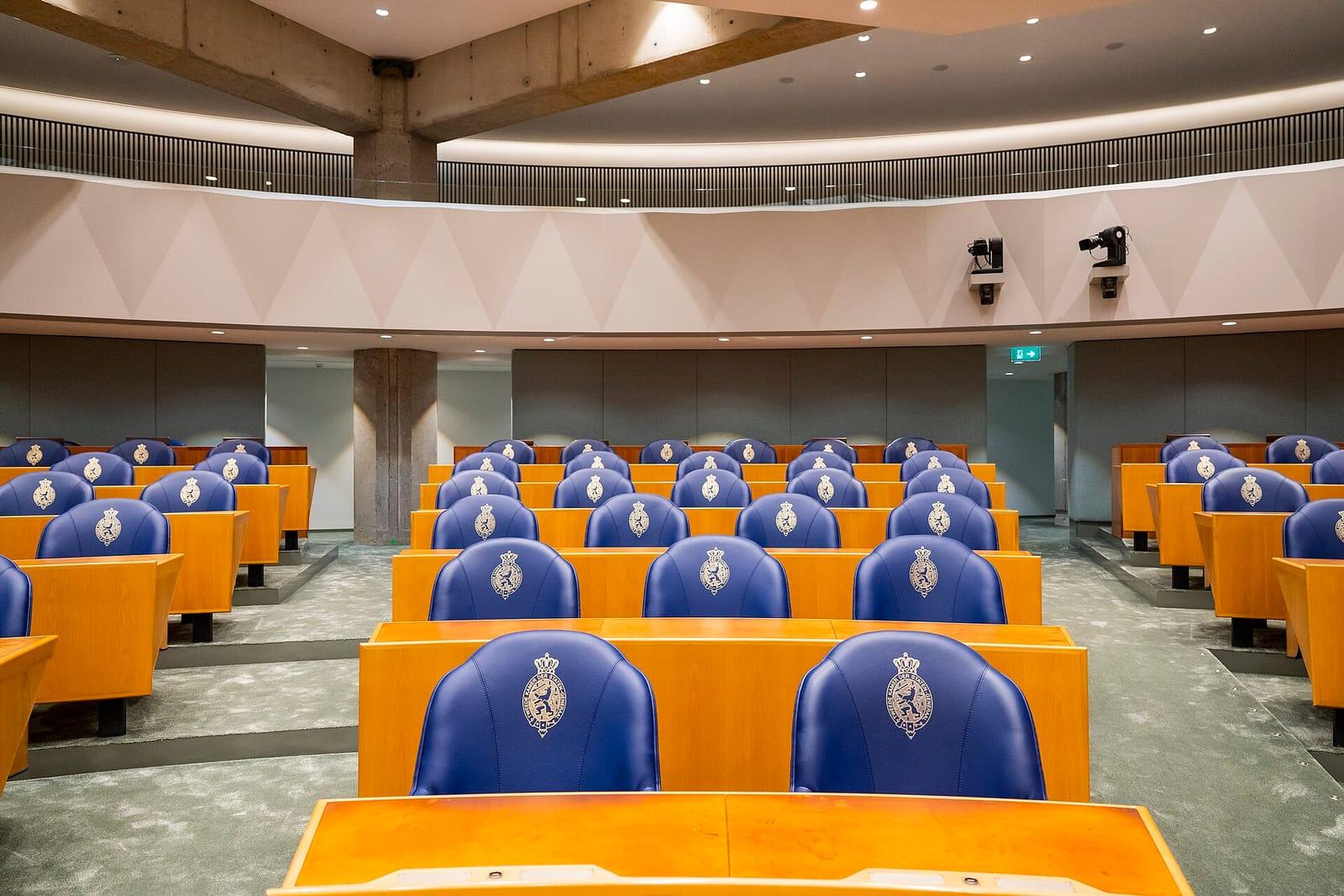
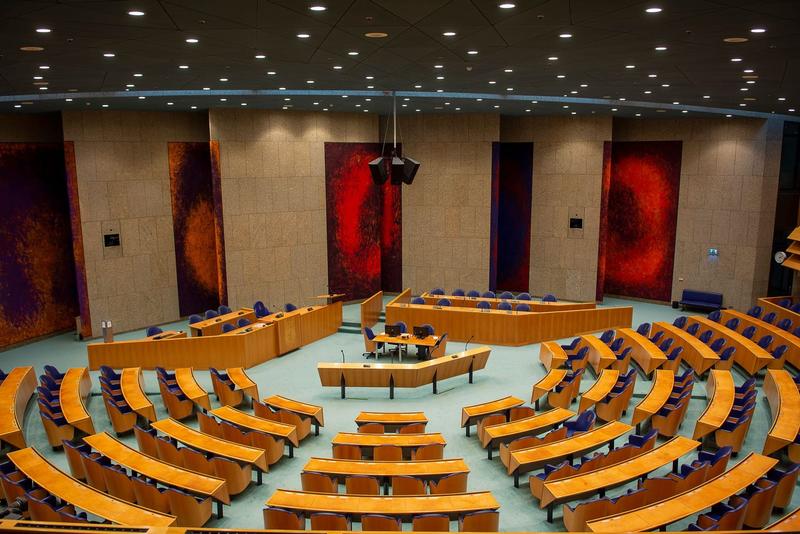
The Tweede Kamer (the Dutch lower house) votes on the Dutch Tax Plan 2027 on Thursday 12 November. Much is at stake for businesses, but it is all still a proposal: after the lower house, the Eerste Kamer (Senate) must also approve it.
The minority cabinet sent adjustments to parliament on 3 November to win support. The debate resumes on Tuesday 10 November with Eelco Eerenberg, state secretary for Finance, according to the Tweede Kamer. A majority looks possible with ChristenUnie, 50PLUS and Groep Markuszower, Accountancy Vanmorgen reports. That support does not yet exist in the Senate.
What the Dutch Tax Plan 2027 means for employers
Until the Senate has voted, every percentage remains a proposal.
For employers, the proposal raises the tax-free allowance under the werkkostenregeling (work-related costs scheme) from 2% to 2.16% of the first €400,000 of the payroll for tax purposes; above that, 1.18% still applies. The energy investment allowance (EIA) rises from 40% to 45.5% from 1 January 2027, according to KVK’s (the Dutch Chamber of Commerce) overview of the Budget Day plans.
Director-shareholders got something extra on 3 November. The lower box 2 rate drops temporarily from 24.5% to 23.5% for 2027 to 2030, and the higher rate from 31% to 29%. At the same time, the threshold for excessive borrowing from your own private limited company falls from €500,000 to €100,000, in five steps of €80,000 starting in 2027.
Some measures are off the table. The vrijheidsbijdrage, an extra levy on labour to fund defence that was meant to raise €347 million in 2027, is dropped. The decision on raising VAT on ornamental horticulture from 9% to 21% moves to the Tax Plan 2028. The new box 3 tax based on capital gains arrives by 2029 at the latest.
Company cars, investments and what to do now
If you provide cars to staff, watch two proposals. The age limit of the youngtimer scheme rises to 17 years in 2027 and to 20 years in 2028. For petrol and diesel cars you provide to employees, a pseudo final levy of 12% of the list price per year applies from 2027; cars already in use before 2027 are exempt until the end of 2030.
Investing in energy-saving assets around the turn of the year? Agree the timing with your adviser and read how to apply for the Dutch EIA. Only change your payroll once the law is published in the Staatsblad (the official gazette), and list the status and start date of each measure. For smaller investments, the small-scale investment deduction remains the first calculation.
Most measures are due to take effect on 1 January 2027, according to the Dutch government. Until the Senate has voted, every percentage in this article remains a proposal.