SDE++ applications 2026: steps, phases and deadline
The round is open until 26 November at 17:00 with an €8 billion budget. Follow these steps to choose a phase and submit a complete application.
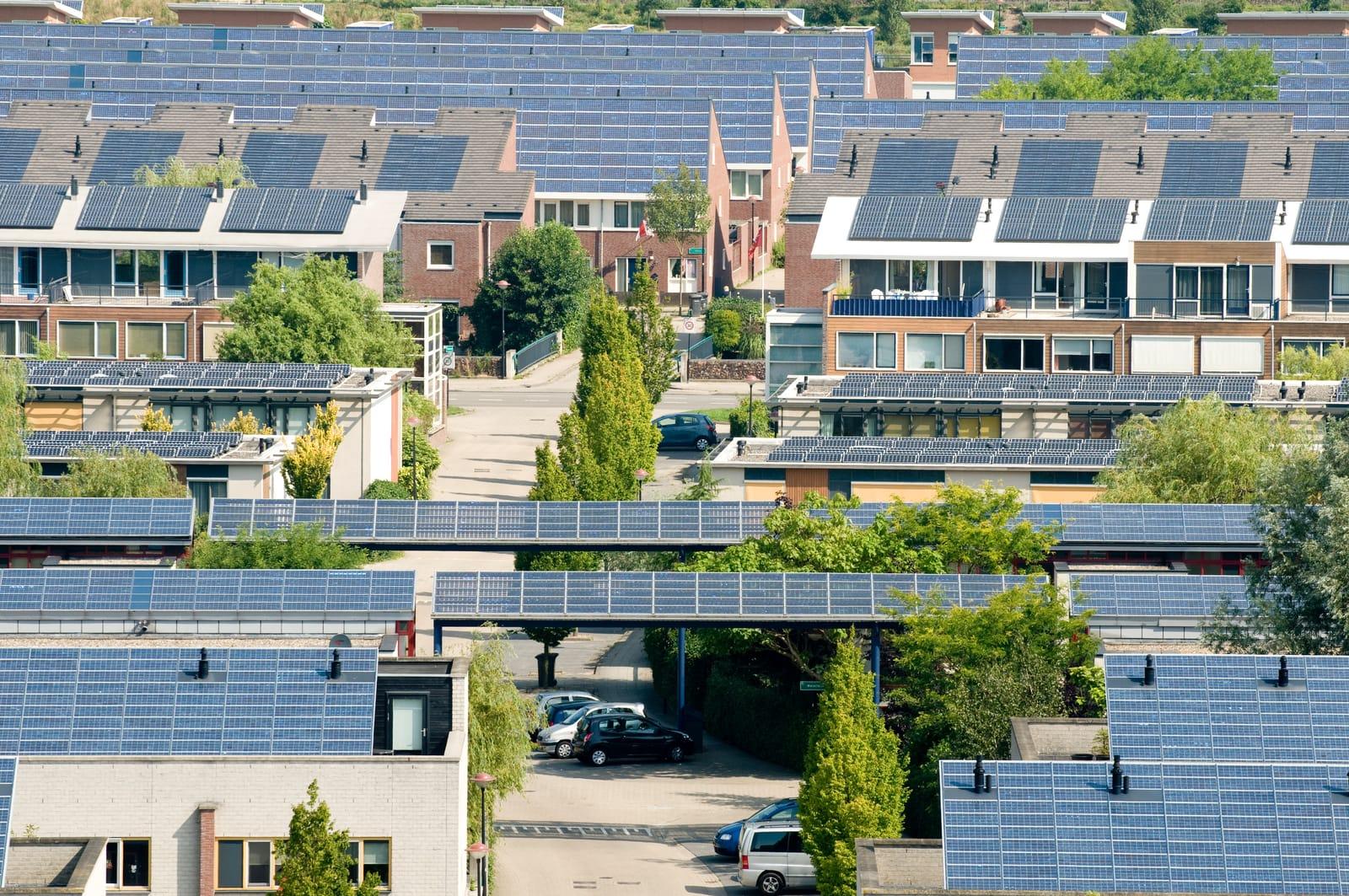
SDE++ applications in 2026 can be submitted from 27 October at 09:00 until 26 November at 17:00. RVO divides the round into five phases and has an €8 billion budget.
The scheme supports large-scale renewable energy production and technologies that reduce greenhouse-gas emissions. It is an operating subsidy: support relates to output or avoided emissions and to changes in market revenue.
An application needs more than a project description. Applicants must select the right category and phase, prepare financial and technical evidence, check permits and complete the digital submission.
An earlier phase may improve ranking, but only when its maximum subsidy intensity fits the project.
1. Check whether the project fits SDE++
Start with RVO's current technology categories. Each can have different base amounts, terms, production units and supporting documents. The scheme is aimed at companies and non-profit organisations operating sufficiently large projects; household solar installations generally fall outside it.
Confirm the technology, capacity, site and expected commissioning date. Record who will own and operate the installation. A change in project structure may affect permits, funding and the identity of the applicant.
Compare SDE++ with other incentives. The EIA guide covers a tax deduction for qualifying energy investment. Combining schemes may be limited, so the financial model must reflect the rules of both.
2. Select the application phase
The round has five phases, with a higher maximum subsidy intensity in each later phase:
- Phase 1: up to €75 per tonne of CO2, 27 October 09:00 to 2 November 17:00.
- Phase 2: up to €150 per tonne, 2 November 17:00 to 9 November 17:00.
- Phase 3: up to €225 per tonne, 9 November 17:00 to 16 November 17:00.
- Phase 4: up to €300 per tonne, 16 November 17:00 to 23 November 17:00.
- Phase 5: up to €400 per tonne, 23 November 17:00 to 26 November 17:00.
An applicant may enter an earlier phase when the calculated subsidy intensity stays below its ceiling. That can improve ranking, but the requested amount still needs to support a viable business case. Bidding too low may weaken the project.
On 8 November, phase 2 is running and is scheduled to close on 9 November at 17:00. Projects requiring a higher intensity should assess phase 3 or a later phase.
3. Calculate intensity and cash flow
Use RVO's current calculator and category data. Subsidy intensity expresses requested support per tonne of avoided CO2. Ranking is not based solely on the project's total capital expenditure.
Build a cash-flow model covering investment, operating cost, output, energy prices, finance and tax. Test at least a base case and a downside case. An award does not automatically solve a financing gap, and payments depend on realisation and production conditions.
Align assumptions with quotations and technical reports. Inconsistencies between the application form, business case and attachments can lead to questions or an incomplete submission.
4. Assemble permits and attachments
Required documents vary by technology. RVO provides a category-specific list. Typical evidence includes technical specifications, feasibility information, site details, finance and permits.
Check whether a permit must be final or whether an application is sufficient. Confirm grid connection, land rights and owner consent. Grid congestion can affect feasibility even when the technology and financing are otherwise sound.
Use clear filenames and check readability. RVO advises splitting files larger than 20 MB. Keep a version list so advisers, project managers and authorised signatories work with the same documents.
5. Arrange eHerkenning and authority
A business applicant needs eHerkenning at level 3 with authorisation for RVO services at eH3 level. Do not request it on the final day; processing can take several working days. A chain authorisation cannot be used for this application.
If an intermediary submits the form, arrange the correct authorisation. RVO provides a form that should be retained and shown on request. Check the email address in the online profile because the receipt will be sent there.
Agree internally who is permitted to submit. A saved draft in the portal is not an application.
6. Submit and retain the project number
Complete this check before sending:
- Verify category, phase and requested intensity.
- Match the key figures to the business case and attachments.
- Add every required permit and supporting document.
- Check declarations and signing authority.
- Sign and send before the phase or final deadline.
After submission, RVO sends a confirmation containing a project number. Store it in the project file. Check that the submission appears under My applications and use the number in correspondence with RVO.
The final deadline is 26 November at 17:00. A technical problem or missing authorisation near closing cannot be solved merely by having saved a draft.
After submission
RVO reviews completeness and substance. An award may impose deadlines for construction, production, reporting and changes. Add those obligations to the project schedule and appoint an owner for each one.
If technology, site, timing or finance changes, check whether approval is required before implementation. Retain contracts, measurement data and invoices in accordance with the award. The WBSO guide is relevant only when the project includes genuine research or development; buying sustainable equipment alone is not enough.
Frequently asked questions
How much budget is available?
RVO states €8 billion for the 2026 round. This is the total commitment budget, not a cash payment made immediately.
Can an application be filed after 26 November?
Not in this round. The form must be signed and submitted by 26 November 2026 at 17:00.
Is an earlier phase always better?
An earlier phase can help ranking, but only if its lower maximum subsidy intensity remains financially suitable for the project.