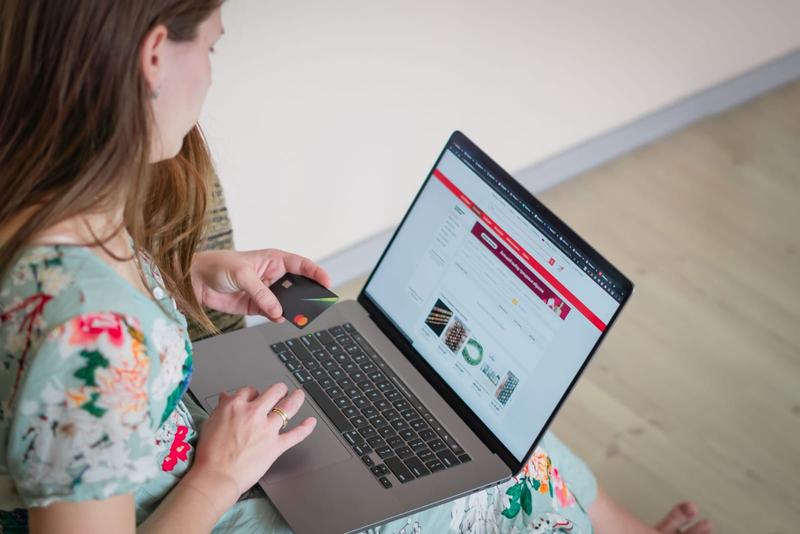
EU handling fee: €2 charge on non-EU parcels since 1 November
The customs declarant pays the fee on top of the €3 import duty and VAT. For dropshippers and platforms sending single parcels to the Netherlands, every order now costs more.
The EU handling fee of €2 has applied since Sunday 1 November 2026 to online orders shipped into the Netherlands from outside the EU. The company that files the customs declaration pays it per product category, on top of the €3 import duty in force since 1 July.
That is set out on the online orders information page of the Douane (Dutch Customs), updated on 2 November. The fee also applies to consignments worth more than €150, and VAT is charged on both amounts. Consumers do not pay Customs directly: the declarant, usually the parcel carrier or the seller, may pass the cost on at checkout or on delivery.
The European Commission fixed the amount on 21 September in a delegated regulation. It sets €2 “per item” for goods sold at a distance to a customer in the EU; the Netherlands counts per product category. According to the Commission, the amount covers the cost of customs supervision, and the estimate is conservative because consignments above €150 were left out of the calculation.
If you ship single parcels from outside the EU, you now pay towards customs supervision per product category.
What the EU handling fee adds to an order
Dutch Customs gives its own example: a pair of trousers and a phone case are two product categories, so they carry €6 in import duty. The handling fee adds €4, making €10. At the 21% VAT rate for clothing that becomes €12.10, before the handling charge each parcel carrier sets for itself.
The €3 duty per category is temporary and runs until 1 July 2028, according to the European Commission. From that date a separate fee will also apply to goods held in a customs warehouse for distance sales; that amount has not yet been set.
What it means for Dutch webshops
Member states want the measure to encourage imports in large batches, the Dutch Ministry of Finance wrote on 22 September. Bulk imports are more efficient for Customs to check, including for unsafe products. The revenue lets Dutch Customs hire extra staff and invest in smarter inspection technology.
The fee is linked to distance sales from a country outside the EU. A webshop that ships from its own stock in the Netherlands therefore does not pay it per order. If you dropship from China or the United States, or sell through a platform that delivers straight to Dutch customers, the cost reaches you through the carrier or the platform. For sellers that mainly send single parcels to consumers, every category in every parcel counts.
So check who files the declaration in your supply chain, whether the cost is already in your selling price and how you inform customers before they pay. Dutch Customs never sends an invoice or payment request itself. Our overview of Dutch business deadlines for November lists what else changes this month, and falling consumer confidence in October makes any price increase more sensitive.