ABN AMRO strike looms after FNV ultimatum expires
The bank offers two rises of 1.5% over two years; the union wants 3% a year plus €250 a month. Mandatory office days are the second sticking point.
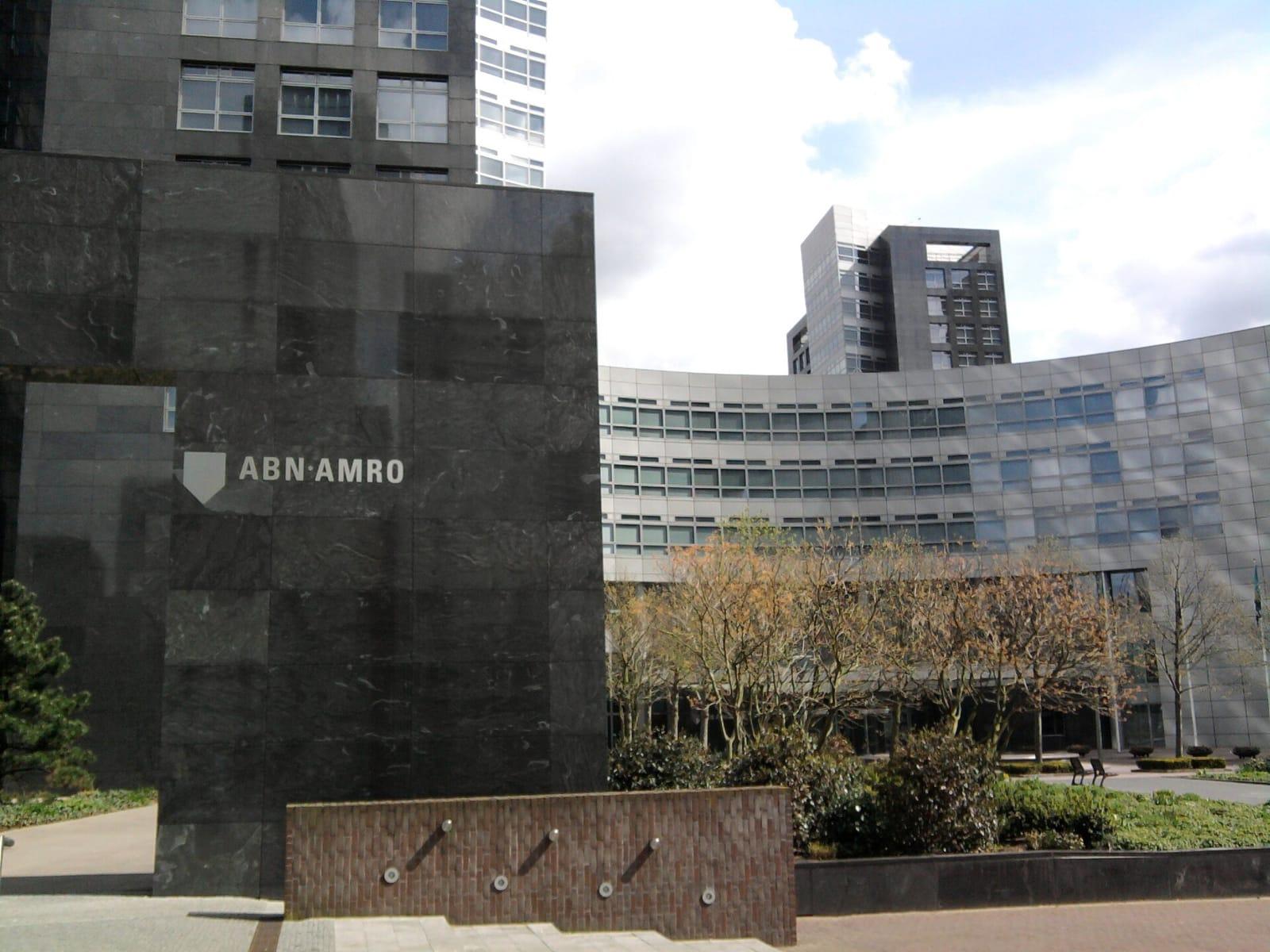
An ABN AMRO strike is on the way, according to the FNV union. The ultimatum that FNV Finance had set the bank expired at 9:00 on Tuesday 3 November without ABN AMRO meeting its demands, and the union is now calling on members to take action at short notice.
“They did not meet our demands, so we are now going to use the means of industrial action,” FNV official Bob Bolte told the ANP news agency on Tuesday. He expects the first work stoppages and strikes soon but gave no dates or locations. The ANP report contains no response from ABN AMRO.
The two sides are far apart. According to the FNV, ABN AMRO is offering two pay rises of 1.5% spread over two years, plus an appreciation bonus (waarderingspremie). The union fears the bonus is a redistribution of existing money. FNV Finance demands a 3% pay rise per year plus €250 a month for every employee. The bank did not take up an FNV proposal for an 80-90-100 scheme for older staff.
Unions will not accept a pay offer far below the CBS average, not even from a major bank.
Why an ABN AMRO strike is on the table
Besides pay, the dispute is about office attendance. According to the FNV, ABN AMRO wants staff to work in the office two days a week on average; ANP describes it as roughly half of working time. The union wants to keep existing team and individual arrangements, with no more than one mandatory office day a week.
The FNV is not alone. The De Unie union has been campaigning among ABN AMRO staff for weeks, including with a calculator showing what the pay offer means for your own salary, and reports discontent over the lack of a new cao (collective labour agreement). In late October the FNV held member meetings at which members could decide on actions such as work stoppages.
What the bank offer means for your pay round
For employers outside banking, the gap with the national average is what matters. According to CBS (Statistics Netherlands), collectively agreed wages in the third quarter of 2026 were on average 4.0% higher than a year earlier, down from 4.6% in the same period of 2025. Financial services stood at 4.9%, hospitality at 2.9%. After inflation, the provisional CBS figure leaves a real rise of 0.8%.
An offer of 1.5% a year sits well below that, and the unions are showing they will not accept such an offer even from a major bank. In regional public transport, FNV and CNV also recently rejected a final offer. If you are planning a pay round for 2027, expect staff to point to the CBS average rather than to a bank’s offer.
Hybrid working has become a bargaining point too. If you want to introduce more office days, discuss it with your team in advance and put it in writing. At ABN AMRO, the first work stoppages could follow at short notice, according to the FNV; no date has been set yet.